Guided Meditation for Sleep: Does It Really Work?
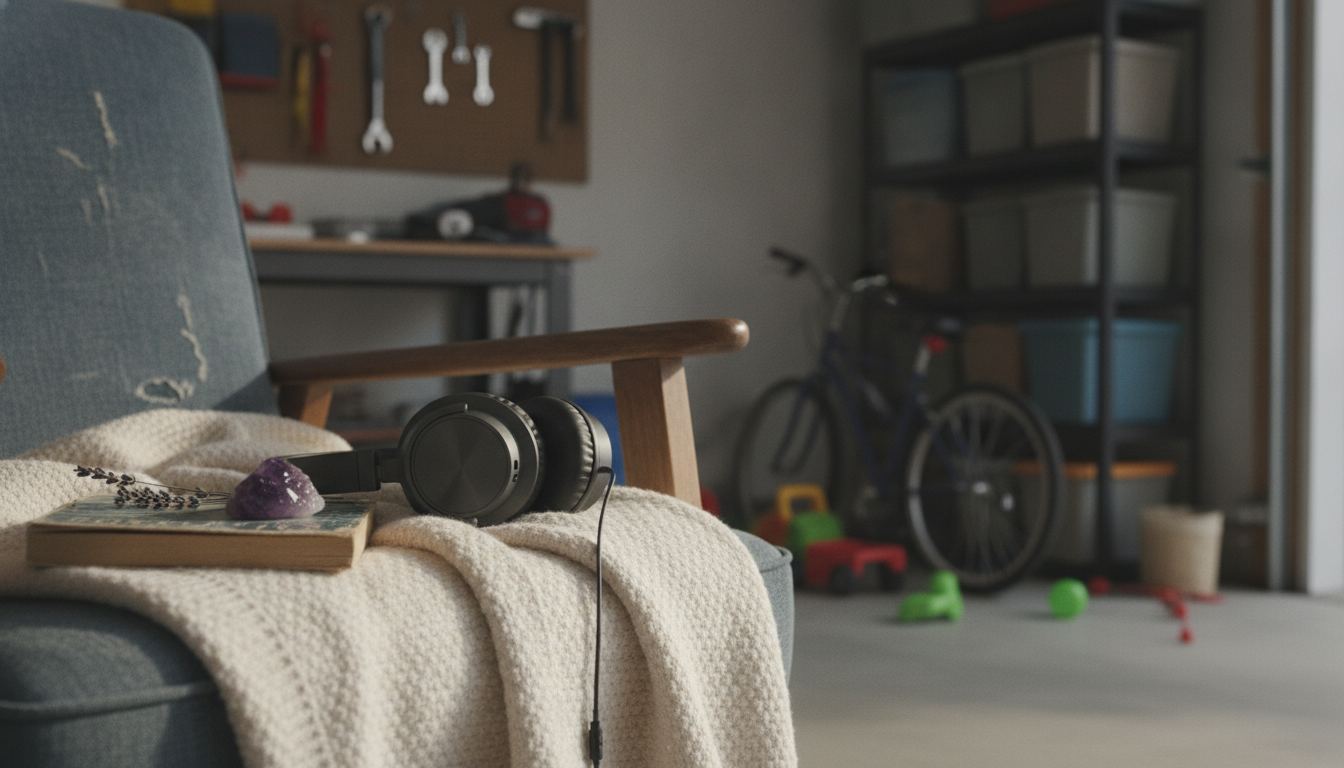
Does guided meditation work for sleep?
Guided meditation can work well for sleep by helping the mind disengage from racing thoughts and signaling the body to shift into a calmer state. Many people find it easier to fall asleep when they’re following a steady voice, simple imagery, or gentle breathing cues instead of trying to “force” sleep. It’s not a sedative, but it can reduce the stress and mental noise that commonly keep people awake.
How guided meditation supports better sleep
Most guided sleep meditations use slow pacing, soft prompts, and relaxation techniques that encourage a lower heart rate and less muscle tension. By focusing attention on breath, body sensations, or a soothing story, the brain gets a break from problem-solving and rumination. Over time, pairing the same style of meditation with bedtime can also reinforce a consistent wind-down routine, which can make sleep feel more predictable.
When it works best (and when it may not)
Guided meditation tends to help most when sleeplessness is tied to stress, anxiety, overstimulation, or difficulty “shutting off” at night. It may be less effective on its own for sleep disruption caused by issues like untreated sleep apnea, chronic pain, medication side effects, or irregular schedules. If you consistently snore loudly, wake up gasping, or feel exhausted despite adequate time in bed, it’s worth discussing those symptoms with a clinician.
Tips to get more results from guided sleep meditation
Choose a track designed specifically for sleep—typically 10–30 minutes with a slower cadence. Keep the volume low, set a sleep timer, and use comfortable headphones only if they don’t bother you while lying down. If your mind wanders, treat it as normal and simply return to the voice or the breath cues; consistency matters more than “doing it perfectly.”
Learn more
For a deeper look at how it works, what to expect, and how to build a bedtime routine around it, visit the full guide: https://easytreasuresgallery.shop/does-guided-meditation-work-for-sleep/.
FAQ
How long should I do guided meditation before bed?
Most people do well with 10–20 minutes, but even 5 minutes can help if you’re consistent. If you’re wide awake, a longer session (20–30 minutes) may feel more settling.












Leave a comment